Have you ever been in that situation where you’re in the bathroom, halfway through a shower… then NEPA takes the light?
You’re standing there in complete darkness, wet, covered in soap, trying to find your way to the nearest source of light.
As funny as it sounds, it’s also very frustrating… not to mention the safety side of it.
If you’re in Nigeria, chances are you’ve either been in this situation or know exactly what it feels like.
Power outages have become something many Nigerians have learned to plan their lives around. From rushing to charge devices before the light goes off to dealing with the frustration of running a generator, the search for a more reliable power solution is becoming increasingly important.
For many homeowners and businesses, solar is becoming an obvious alternative to depending entirely on the grid and generators.
But before making that investment, there’s one question that naturally comes up:
How much does it cost to install solar in Nigeria?
If you’ve ever asked yourself this question, you’re in the right place.
In this article, we’ll break down the cost of solar installation in Nigeria, show you what different system sizes can power, and help you understand which option will make sense for your home or business.
Let’s get into it.
How Much Does Solar Installation Cost in Nigeria?
If you’re searching for the cost of installing solar in Nigeria, you may be hoping for a simple answer:
“A solar system costs ₦X.”
Unfortunately, it doesn’t work that way.
There isn’t one standard price for solar installation because a solar system isn’t a one-size-fits-all product. The system installed for one property may be completely different from the system installed for another even when both properties have the same number of bedrooms.
At DD Building Technology Solutions, our current solar packages range from ₦730,000 to ₦10.8 million or more. These packages cover different levels of power requirements, from systems designed around essential household appliances to much larger systems capable of supporting significantly heavier loads.
But here’s where it gets interesting:
The size of your house doesn’t automatically tell you how much solar you need.
A two-bedroom apartment with a fridge, freezer, washing machine, water pump and air conditioner could require more capacity than a four-bedroom home where the main loads are lights, fans, a TV, and phone charging.
So if two homeowners tell us, “I live in a two-bedroom house. How much will solar cost me?”, we still can’t give them the same answer without knowing what they actually want the system to power.
That’s why you’ll often see solar quotations that seem very far apart.
One system may be designed to keep only the essential appliances running during an outage.
Another may be designed to support multiple heavy appliances and provide considerably more available power.
Both can be correctly priced for what they’re designed to do.
And that’s an important distinction to understand before comparing solar prices in Nigeria.
Why Solar Installation Prices Vary
Think about it this way.
You wouldn’t walk into a car dealership and ask:
“How much does a car cost?”
The answer would depend on the particular car you’re buying and what you expect it to do.
Solar works in a similar way.
You’re not really buying “solar” as one fixed product. You’re putting together a power system designed around a particular property and its electricity needs.
That is why there can be such a wide difference between a ₦730,000 package and a system costing several million naira.
And it also explains why choosing the cheapest quote isn’t necessarily the same thing as getting the best deal.
The more important question is:
What exactly is the system being designed to power?
That’s what you need to look at before talking about specific system sizes and prices.
What Determines the Cost of a Solar Installation?
If you’ve started asking around about solar installation, you may have noticed something confusing.
One person tells you they installed solar for ₦1 million. Someone else says they spent ₦3 million. Another person has a system that cost several million naira more.
So, why is there such a big difference?
It isn’t necessarily because one person was overcharged.
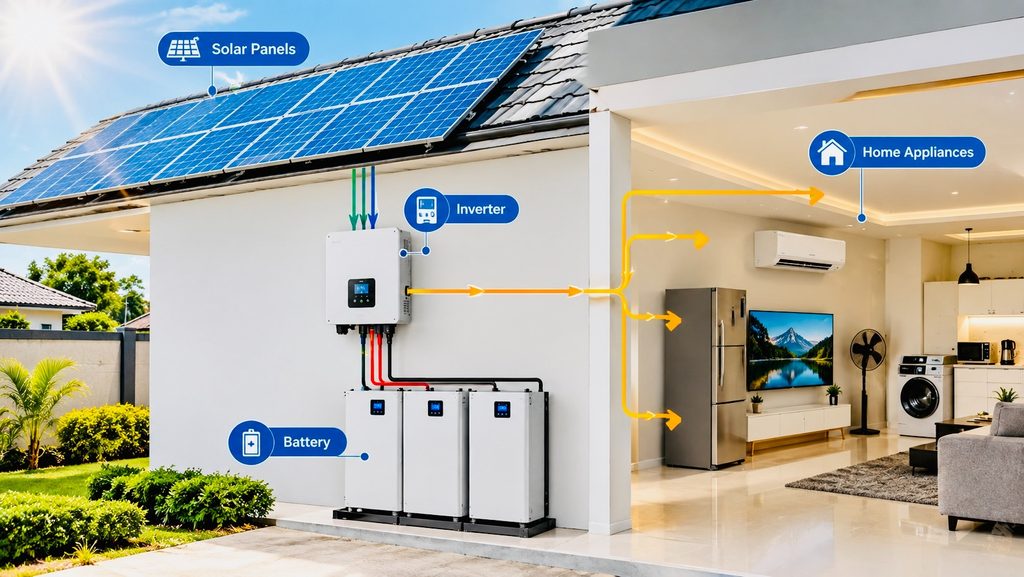
A solar installation is made up of several components that have to be sized around the property’s actual electricity needs. The appliances you want to power, how much power they require, how long you want them to run, the amount of energy you need stored, and the equipment required to build and install the system can all affect the final cost.
This is also why two homes with the same number of bedrooms can need completely different solar systems.
So before you compare solar prices, you need to understand what actually goes into determining the cost. They include:
Your Power Requirements
What do you want the solar system to power?
Make a list of the appliances you expect to run from the system. This could include:
- Lights
- Fans
- TV and decoder
- Refrigerator
- Freezer
- Laptop and phone chargers
- Washing machine
- Water pump
- Air conditioners
- Other electrical appliances
The more appliances you want the system to handle, and particularly the more power-hungry those appliances are… the more capable the system may need to be.
There’s another important part of this: how many appliances you expect to use at the same time.
For example, your total list of appliances may be quite long, but you may not intend to run all of them simultaneously. An installer therefore needs to understand not just what you own, but how you actually intend to use the system.
This is one reason a proper solar assessment is more useful than simply saying, “I live in a three-bedroom house, so I need a 3kVA system.”
Inverter Capacity
The inverter is one of the most important components because its capacity affects how much electrical load the system can handle at a given time.
This is where kVA comes into the conversation.
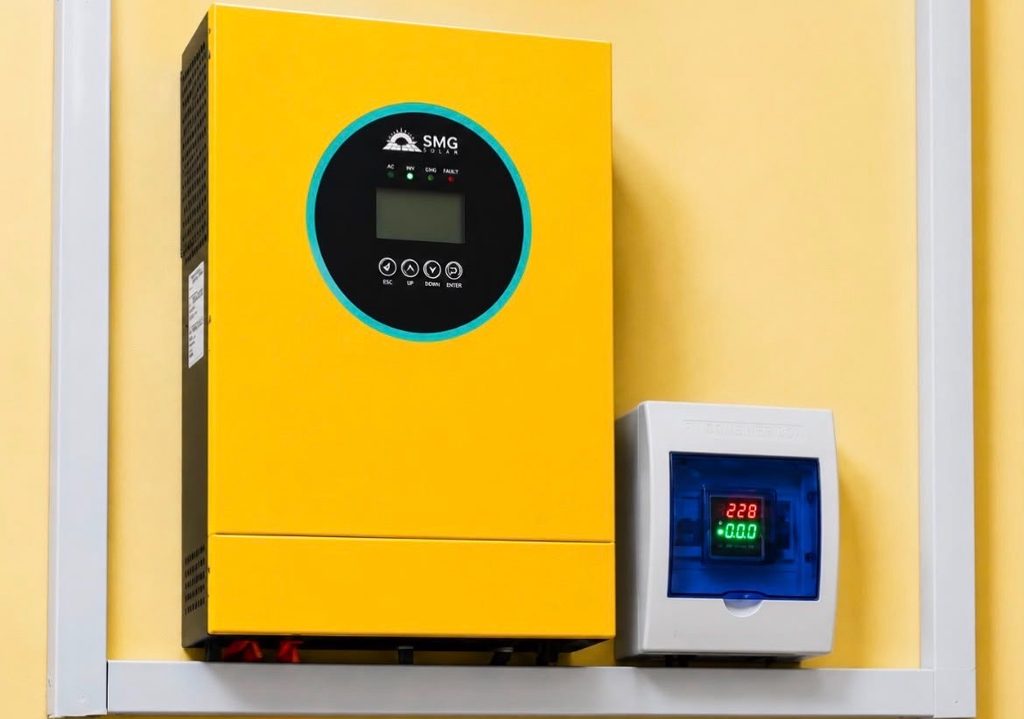
A smaller inverter may be suitable for essential loads such as lights, fans, phones, laptops and a TV. A system expected to handle heavier appliances may require a larger inverter capacity.
But don’t make the mistake of thinking:
“The bigger the inverter, the better.”
You need an inverter that is appropriately matched to the loads you’re trying to run.
Buying an unnecessarily large inverter can increase your cost without giving you a meaningful benefit, while choosing one that is too small can limit what you can run or cause problems when multiple appliances operate together.
That’s why inverter capacity should be determined from your actual power requirements rather than simply choosing the biggest option available.
Battery Capacity and Type
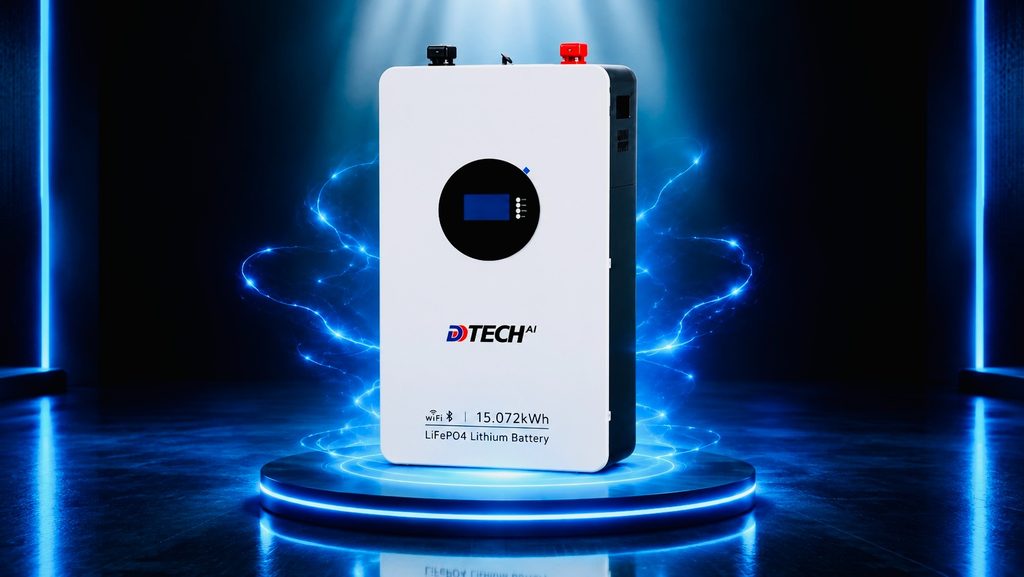
The battery is what stores energy for use when your solar panels aren’t producing enough power, particularly at night or during periods of low solar generation.
This means battery capacity has a direct relationship with how much backup you want.
A system designed to keep a few essential appliances running for a limited period won’t necessarily require the same battery capacity as a system expected to keep a much larger load running for several hours.
Battery type also matters.
For example, lithium batteries and tubular lead-acid batteries have different characteristics, capacities, lifespans, maintenance requirements and costs. So two solar systems with similar inverter ratings can still have significantly different prices if their battery configurations are different.
This is one reason you shouldn’t compare solar quotations based on the inverter size alone.
Solar Panel Capacity
Your solar panels are responsible for generating the energy that charges the battery and supplies the system during periods of sunlight.
The cost can therefore change depending on:
- How many panels are required
- The wattage of each panel
- The total solar generation capacity
- The available installation space
- The amount of sunlight available at the installation location
- How much energy the system needs to generate
For example, a system designed to support a larger daily energy requirement may need a larger panel array than a system intended primarily for essential loads.
The panels also need to be installed in a suitable location where they can receive adequate sunlight. Shading from buildings, trees or other structures can affect solar generation, so the installation location matters too.
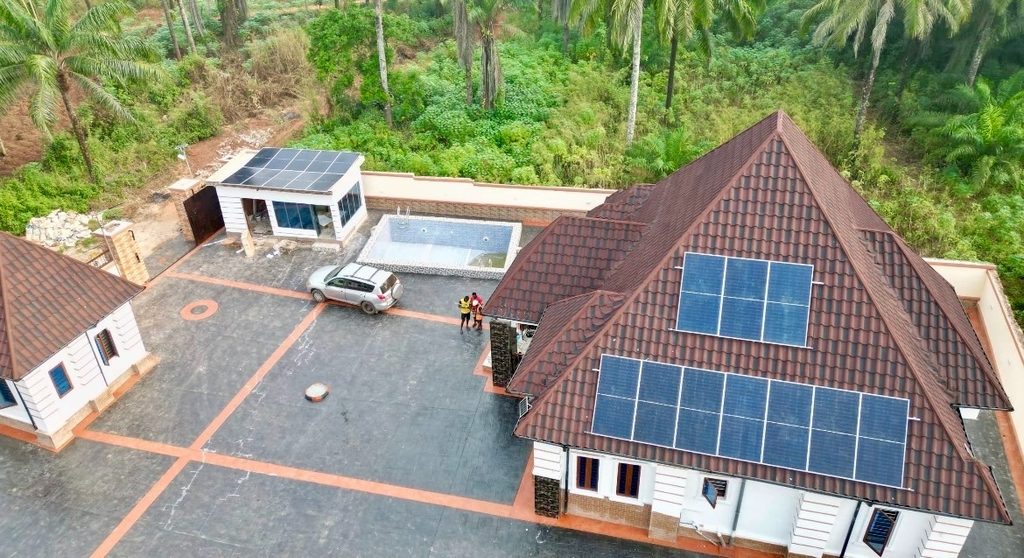
The U.S. Department of Energy provides a useful overview of how photovoltaic systems convert sunlight into electricity and how the different parts of a solar PV system work together: Solar Photovoltaic Technology Basics — U.S. Department of Energy.
Installation Requirements
The equipment itself isn’t the entire cost of going solar.
You also have to consider what is required to install and safely connect the system to the property.
Depending on the installation, this can include:
- Cables and wiring
- Mounting structures and accessories
- Breakers
- Surge protection
- Earthing
- Lightning protection
- Other electrical protection equipment
- Cable routing
- Installation labour
The physical layout of the property can also affect the installation.
For example, the distance between the solar panels, inverter, battery and the building’s electrical system can influence cable requirements. The height and accessibility of the installation area can also affect the amount of work involved.
So when comparing two quotations, don’t assume that the difference is simply the installer charging more for labour.
The installation itself may require different materials, protection systems and levels of work.
How Long You Want the System to Run
This is one of the questions people often overlook.
You need to decide how you actually want to use your solar system.
Do you want it to:
- Keep essential appliances running during power outages?
- Reduce how often you use your generator?
- Power selected appliances throughout the day?
- Provide backup throughout the night?
- Handle most of your home’s electrical needs?
- Keep appliances running for extended periods without relying heavily on the grid?
These are very different requirements.
For example, someone who only wants lights, fans, phones and a TV during an outage has a different requirement from someone who expects their refrigerator, freezer, washing machine, water pump and air conditioner to remain available for several hours.
The longer you want a given load to run, the more important your battery storage and overall energy requirements become.
This is why you shouldn’t simply tell an installer:
“I need a 5kVA system.”
A much better conversation is:
“These are the appliances I want to power, this is how I normally use them, and this is how long I want them to remain available when the grid goes off.”
From there, the installer can determine what combination of inverter capacity, battery storage, solar panels and other components makes sense for your needs.
The Bottom Line
The cost of solar isn’t determined by one component.
It’s the result of putting together a system that can generate enough energy, store enough energy and deliver enough power to meet your particular requirements.
That’s why a proper solar quotation should be based on more than your number of bedrooms or the size of your house.
Your home provides the setting.
Your power requirements determine the system.
And that distinction becomes especially important when you start comparing the different solar packages available in Nigeria.
Solar Installation Cost for Different Home Sizes in Nigeria
After years of successfully installing solar systems for homes and properties across Nigeria, we’ve learned how to recommend the right system for different types of households and power needs.
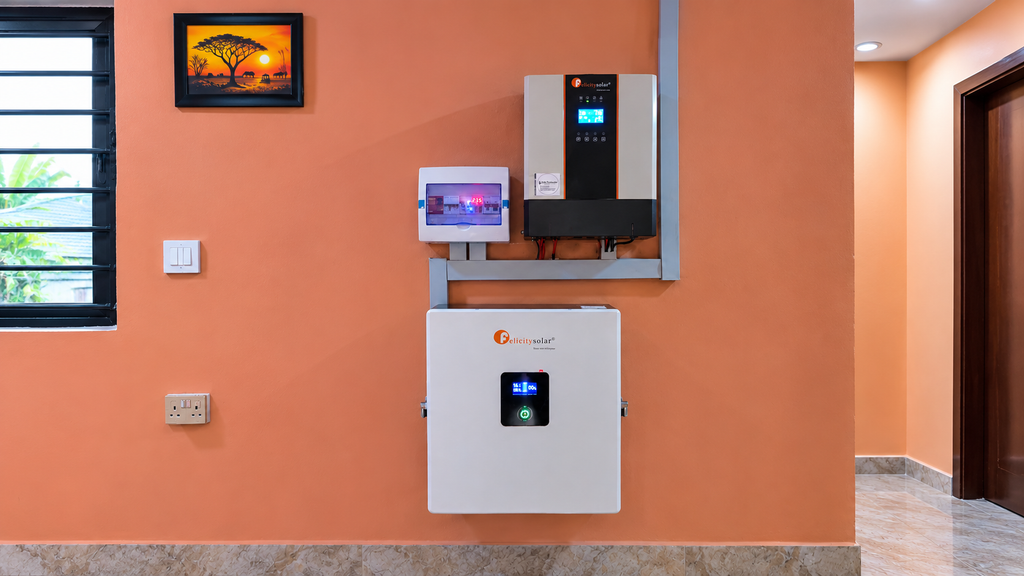
For this section, we’re focusing on small and medium-sized households, from self-contained and 1-bedroom apartments to larger 2–4 bedroom homes. The packages below are examples of systems we’ve put together based on different levels of household power requirements.
The prices are DD Building’s current package prices and are not a universal price for every home in Nigeria. Your actual requirement may call for a different configuration.
Cola 2,000 Solar Generator
Investment: ₦805,000
Major components:
- 1 × 2,000W Solar Generator
- 1 × 600W Solar Panel
Appliances it can power:
- Phone charging
- Lights
- Fans
Recommended for:
- Self-contained apartments
- 1-bedroom apartments
- People who mainly want backup for essential appliances
1.5kVA Solar Package
Investment: ₦1.1 million
Major components:
- 1x 1.5kva Transformer-Based Inverter
- 1x 220ah Tubular Battery
- 2x 450W Solar Panel
- 1x Mini Breaker Set
- 1x 45amps Charge Controller
- Installation Accessories
Appliances it can power:
- Phone charging
- Lights and fans
- Laptop
- TV and decoder
- Freezer
Recommended for:
- Self-contained apartments
- 2-bedroom apartments
- Households that need backup for essential appliances plus a freezer
2kVA Solar Package
Investment: ₦1.75million
Major components:
- 1 x 2kva Hybrid Inverter
- 1x 3.8kwh Lithium Battery
- 3 x 600W Solar Panel
- 1x Mini Breaker Set
- Installation Accessories
Appliances it can power:
- Television & Decoder
- Freezer & Fridge
- Fan & Lights
- Phones & Laptops
- 1hp AC
- Washing Machine
Recommended for:
- 2 bedroom apartments
- 3 bedroom apartments
3kVA Solar Package
Investment: ₦2.47 million
Major components:
- 1 × 3kVA Hybrid Inverter
- 1 × 5kWh Lithium Battery
- 4 × 600W Solar Panels
- 1 × Mini Breaker Set
- Installation accessories
Appliances it can power:
- Phone charging
- Lights and fans
- Laptop
- TV and decoder
- Freezer and fridge
- Washing machine
- 1–1.5hp Sumo pump
- 1hp AC
Recommended for:
- 2-bedroom apartments
- 3-bedroom apartments
- 4-bedroom apartments
- Homes with a higher power requirement
One important thing to remember
These recommendations are guidelines, not a rule that every home with a particular number of bedrooms needs that exact system.
Your appliances, how often you use them, which appliances run at the same time, and how long you want the system to provide backup will ultimately determine the right configuration.
So, if you live in a 2-bedroom apartment, don’t automatically assume you need a 2kVA system simply because that’s what someone else with a 2-bedroom apartment installed.
The right solar system is the one designed around your actual power needs.
Solar Systems for Larger Homes and High-Power Requirements
As homes get larger and the number of appliances increases, so does the amount of power they require.
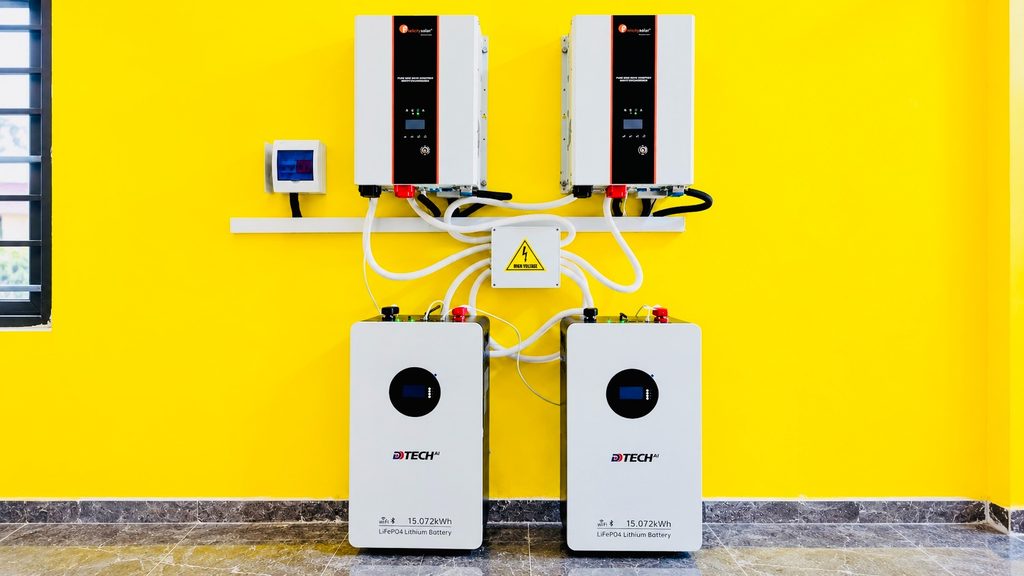
From our experience installing solar systems for different properties in Nigeria, we’ve found that larger homes often need more than the basic systems designed for essential loads.
Once you start adding multiple air conditioners, refrigerators, washing machines, water pumps and other high-power appliances, the system needs to be designed with much greater capacity.
However, just like with the smaller packages, your number of bedrooms is only a guide. Your actual appliance load and how you intend to use the system should ultimately determine the system you install.
The packages below are intended for larger homes and properties with higher electricity demands.
5kVA Solar Package
Investment: ₦2.87 million
Major components:
- 1x 5kva Hybrid Inverter
- 1x 5kwh Lithium Battery
- 6x 600W Solar Panel
- 1x Medium Breaker Set
- Installation Accessories
Appliances it can power:
- TV and decoder
- Fridge/freezer
- Fans and lights
- Phones and laptops
- 1–1.5hp Sumo pump
- Washing machine
- 2 × 1hp AC
Recommended for:
- 2–4 bedroom apartments
- Homes with multiple household appliances
- Households that want to include air conditioning in their solar setup
6kVA Solar Package
Investment: ₦4.47 million
Major components:
- 1x 6kva Hybrid Inverter
- 1x 10kwh Lithium Battery
- 10 x 600W Solar Panel
- 1x Large Breaker Set
- Installation Accessories
Appliances it can power:
- TV and decoder
- Fridge/freezer
- Fans and lights
- Phones and laptops
- 1–2hp Sumo pump
- Washing machine
- 2 × 1.5hp AC
Recommended for:
- 2–4 bedroom apartments
- Households with multiple AC units
- Homes requiring a higher-capacity system for heavier appliances
8kVA Solar Package
Investment: ₦5.15 million
Major components:
- 1x 8kva Hybrid Inverter
- 1x 15kwh Lithium Battery
- 12x 600W Solar Panel
- 1x Medium Breaker Set
- Installation Accessories
Appliances it can power:
- Phones
- Lights and fans
- Laptop
- TV and decoder
- Freezer and fridge
- 1–3hp Sumo pump
- 2 × 1.5hp AC
Recommended for:
- 4–6 bedroom homes
- Households with multiple high-power appliances
- Properties with significant pumping and air-conditioning requirements
11kVA Solar Package
Investment: ₦6.9 million
Major components:
- 1x 11kva Hybrid Inverter
- 1x 20kwh Lithium Battery
- 15 x 600W Solar Panel
- 1x Medium Breaker Set
- Installation Accessories
Appliances it can power:
- TV and decoder
- Fridge/freezer
- Fans and lights
- Phones and laptops
- 1–3hp Sumo pump
- Washing machine
- 2 × 2hp AC
Recommended for:
- 6–8 bedroom homes
- High-power residential properties
- Properties with multiple heavy appliances
15kVA Solar Package
Investment: ₦10.5 million
Major components:
- 2x 7.5kva Hybrid Inverter
- 2x 15kwh Lithium Battery
- 24 x 600W Solar Panel
- 2 Stream Breaker Set
- Installation Accessories
Appliances it can power:
- TV and decoder
- Fridge/freezer
- Fans and lights
- Phones and laptops
- 1–3hp Sumo pumps
- 2 washing machines
- 3 × 2hp AC
Recommended for:
- Large homes
- High-load residential properties
- Households with multiple air conditioners and heavy appliances
20kVA Solar Package
Investment: ₦10.8 million
Major components:
- 2x 10kva Hybrid Inverter
- 2x 15kwh Lithium Battery
- 24 x 600W Solar Panel
- 2 Stream Breaker Set
- Installation Accessories
Appliances it can power:
- TV and decoder
- Fridge/freezer
- Fans and lights
- Phones and laptops
- 1–3hp Sumo pumps
- 2 washing machines
- 3 × 2hp AC
Recommended for:
- Large homes
- High-load residential properties
- Properties with substantial simultaneous electricity demand
Solar Systems for Offices, Shops and Businesses
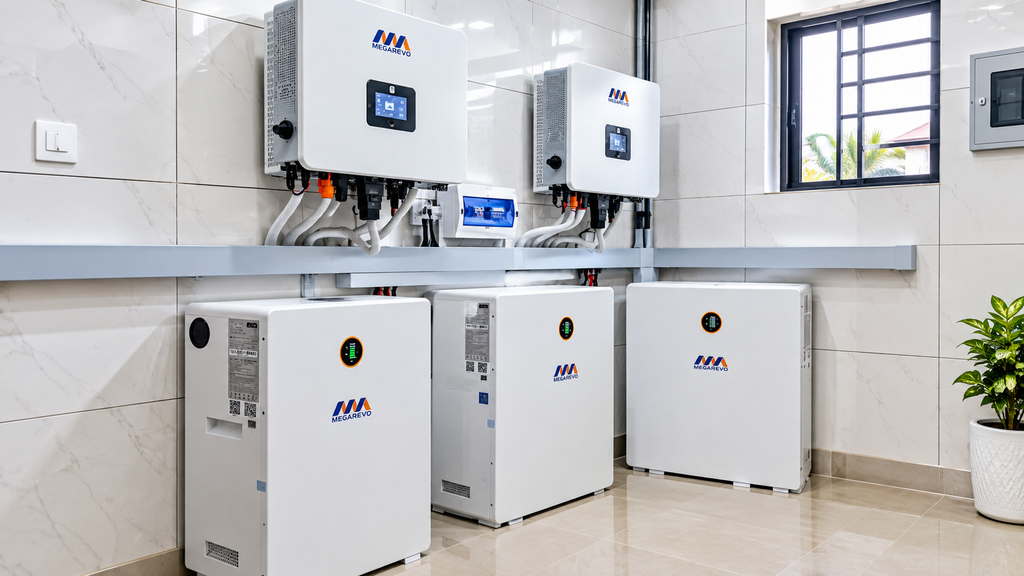
Solar isn’t only for homes. Offices, shops, commercial spaces and businesses can also benefit from solar, especially when unreliable power affects daily operations.
However, there isn’t one solar system that fits every business. The right capacity depends largely on the appliances and equipment you need to power, how many of them you use at the same time, and how long you want the system to run.
Here is a general guide to help you understand the capacity range you may fall into.
Small Offices and Shops
For a small shop, office or business with relatively few appliances, a smaller solar system may be enough.
If you’re mainly powering lights, fans, phones, laptops, a TV, POS terminal, router or a few other low-power appliances, you may be looking at a system in the range of:
Cola 2,000 Solar Generator – 3kVA
This range can be suitable for businesses with essential power needs and fewer appliances.
The exact system, however, will depend on what you want to keep running and how you intend to use it.
Larger Offices
Larger offices and businesses usually have more equipment running throughout the day.
You may have multiple computers, printers, networking equipment, refrigerators, more lighting, fans and air conditioners, among other appliances.
For businesses with higher power requirements, a general range could be:
5kVA – 8kVA
At this level, the system needs to be properly sized around the equipment you actually want to power rather than simply choosing a higher kVA because the business is larger.
Commercial Spaces With High Power Demand
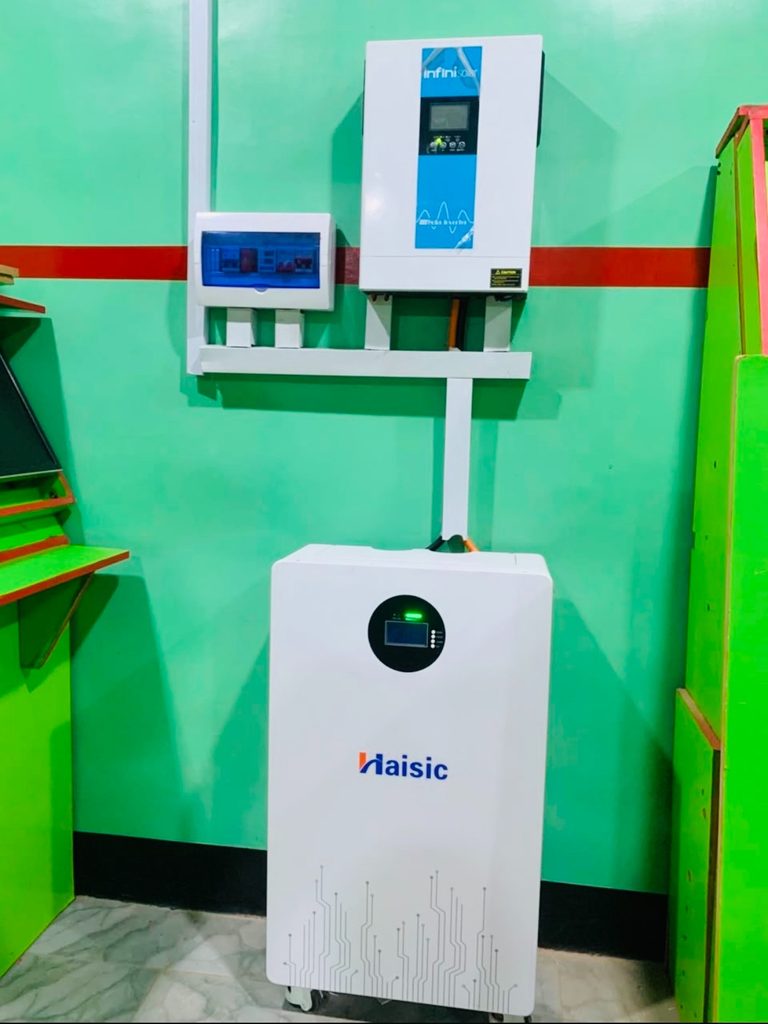
For companies, factories and other commercial or industrial spaces with heavy electrical equipment, power requirements can be significantly higher.
Depending on the equipment involved, systems in the range of:
11kVA – 20kVA and above
may be appropriate.
These systems are better suited to businesses with multiple high-power appliances, heavy machinery, several air conditioners, pumps, refrigeration equipment or other equipment that requires substantial electrical power.
But at this level especially, the kVA capacity should never be selected based on the size of the business alone.
Load Assessment: The Most Important Step
Whether you run a home, small shop, medium-sized business, large office, company or factory, you shouldn’t choose your solar system based only on the number of appliances you have or the size of your property.
A load assessment needs to be carried out first.
This involves looking at the appliances and equipment you want to power, their power requirements, how many you may run at the same time, and how long you want them to operate.
We recommend having your property properly assessed before purchasing a system.
Book a Solar Load Assessment →
During the assessment, we can help determine your actual power requirements and recommend a system that matches your business, rather than having you pay for capacity you don’t need, or end up with a system that can’t handle your appliances.
What Does a Solar Installation Include?
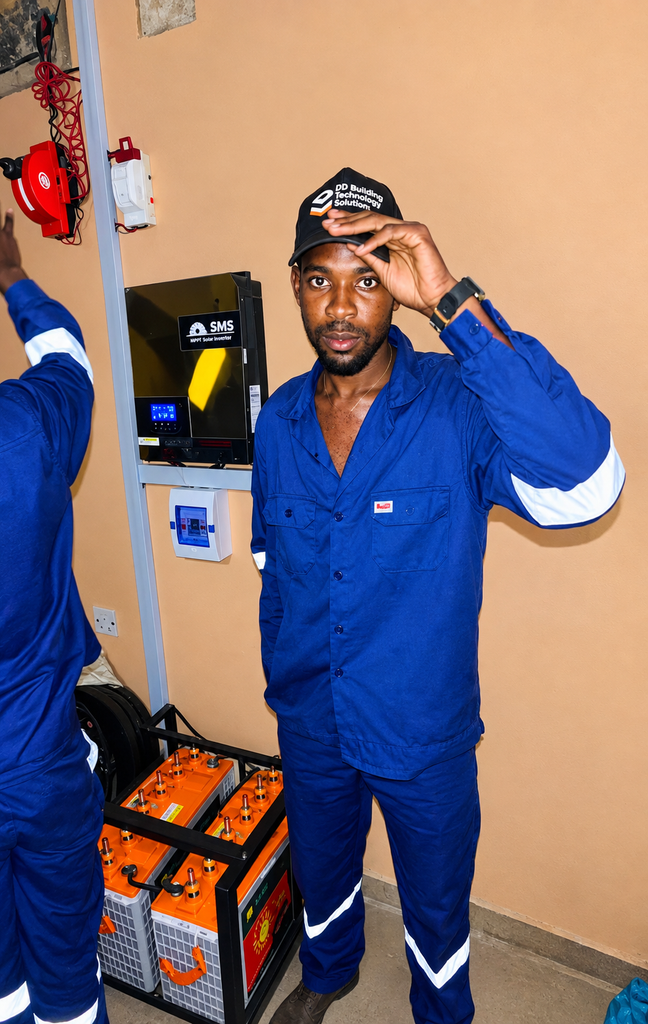
When you receive a solar quotation, you’re not just paying for the inverter and panels. A complete installation involves several components and the labour required to put everything together safely and correctly.
Solar Inverter
The inverter converts the battery’s stored DC power into AC power that your appliances can use.
Two common options you’ll come across are hybrid inverters and transformer-based inverters. The right type depends on your power requirements, battery setup and how you intend to use the system.
Solar Panels
Solar panels capture sunlight and convert it into electrical energy to charge the battery and power the system.
Monocrystalline panels are among the most commonly used options because they offer good efficiency and performance within a relatively compact space.
The number and capacity of panels required depend on the size of the system and the amount of energy needed.
Solar Battery
The battery stores the energy generated by the solar panels so you can use it when the sun isn’t available.
The two common battery options are lithium batteries and tubular batteries.
Lithium batteries generally offer longer cycle life, faster charging and deeper usable capacity, while tubular batteries can be a more affordable option depending on the system and budget.
Charge Controller
A charge controller regulates the power coming from the solar panels into the battery.
Depending on the system, you may use an MPPT (Maximum Power Point Tracking) charge controller, which helps the system make better use of the available solar energy.
Some modern hybrid inverters already have a built-in charge controller, so a separate controller may not always be required.
Protection, Cables and Installation Accessories
A solar installation also requires several protection and connection components to keep the system properly connected and protected. Depending on the system, these may include:
- AC breakers
- DC breakers
- Fire breakers
- AC SPD (Surge Protection Device)
- DC SPD (Surge Protection Device)
- Volt and ampere protectors
- Knife switches
- Automatic changeover (C/O) switches
- Surge guard protectors
- Enclosure boxes
- MC4 connectors
- Solar and battery cables
- Mounting and other installation accessories
The exact components required will depend on the size, configuration and design of the solar system. A properly designed installation should include the necessary protection devices rather than treating them as optional extras.
Installation Labour
Installation labour isn’t simply a fixed charge. It can depend on the location, complexity of the installation, configuration of the system and level of risk involved.
For example, installing solar panels on a single-storey building may be relatively straightforward, while installing panels on a three-storey building may require additional safety measures, equipment and labour.
The same applies when the system has a more complex configuration or when the installation location makes access difficult.
In short, the cost of a solar installation covers much more than the equipment itself.
The quality of the components and how professionally the system is installed can both have a major impact on how reliably it performs.
What to Know Before Requesting a Solar Quote
Before you contact a solar company, knowing these details will make your consultation faster and help the installer recommend the right system for your needs.
Know What You Want the Solar System to Power
Make a list of the appliances you want to run on solar.
For example: lights, fans, TV, fridge, freezer, washing machine, water pump, air conditioner, computers, and so on.
How to check: Walk through your home and write down every appliance you want the solar system to handle.
Know Your Property and Number of Bedrooms
Tell the installer whether you’re in a self-contained, 1-bedroom, 2-bedroom, 3-bedroom or larger home.
This gives the installer useful context about the property, but remember, bedroom count does not determine the system size by itself.
How to check: Simply note your home’s size and layout before the consultation.
Think About What You May Add Later
Don’t size your system only around what you own today if you already know you’ll be adding more appliances.
Planning to buy an AC, freezer, washing machine, water pump or another major appliance later? Tell the installer.
How to check: Think about the appliances you are likely to purchase within the next few months and include them in your discussion.
Decide How You Want to Use the System
Do you want solar mainly when NEPA goes off, or do you want to use solar throughout the day even when public power is available?
You may want solar to:
- Run essential appliances during outages
- Reduce generator usage
- Power appliances throughout the day
- Provide power day and night
How to check: Think about what you want to happen when public power goes off and how much you want to depend on solar when it is available.
Decide Whether You Want Partial or Full Solar
Partial solar means you select certain appliances or circuits to run from solar while other loads remain on the grid or generator.
Full solar means you want the system to handle a much larger portion of your property’s electrical demand.
How to check: Decide whether you want essential appliances only or want solar to handle most or all of your home’s electrical loads.
Think About How Much Backup You Actually Need
Ask yourself:
“If NEPA takes light now, how long do I want my solar system to keep my appliances running?”
Do you need a few hours of backup? Overnight backup? Or do you want the system to keep running for much longer?
How to check: Estimate how long you normally experience outages and which appliances must remain available throughout that period.
Bring Your Appliance Information to the Consultation
If possible, have the wattage or power rating of your major appliances available.
You can usually find this on the appliance’s rating plate, label or user manual. If you’re not sure what the figures mean, don’t worry. Take a clear picture of the label and show it to the installer.
Also tell the installer how many hours you typically use each appliance and whether you expect to run several appliances at the same time.
This information gives the installer a much better basis to carry out a load assessment and recommending the right solar system, rather than simply guessing from your house size.
How to Know You’re Getting the Right Solar Quote
Don’t choose a solar company simply because its quotation is cheaper. Two companies can quote for a similar system and give you noticeably different prices.
The cheaper quote may look attractive, but the difference could come from lower-quality materials, limited or no after-sales support, shorter warranties, poor wiring, or rushed and untidy installation.
What a Proper Solar Quote Should Show
A proper quotation should make it clear exactly what you’re paying for.
It should show:
- System capacity and type
- Inverter brand, model and specifications
- Battery type, brand and capacity
- Number and wattage of solar panels
- Protection devices and installation accessories
- Installation and labour costs
- Warranty details
- After-sales support and maintenance
- A clear breakdown of the total cost
This makes it much easier to compare quotations fairly.
So if one company quotes ₦X and another quotes ₦Y for what appears to be the same system, don’t immediately choose the cheaper option. Compare what is actually included in each quotation.
A good solar installation isn’t just about getting the lowest price. It’s about getting the right equipment, proper installation, reliable support and value for your money.
At DD Building Technology Solutions, we make sure every client gets a proper load analysis and assessment before we prepare a quotation. Based on the assessment, we recommend a suitable system and provide a detailed quotation along with an official invoice.
Once the deal is closed, our team of professional installers gets to work, handling the installation and configuration of your system.Q
Want to see some of our past solar installations? Check out our Solar Installation Gallery.
Frequently Asked Questions
How much does it cost to install solar in Nigeria in 2026?
There is no fixed price. The cost depends on the system capacity, inverter, battery, solar panels, installation requirements, and how much power you need. Based on the packages discussed in this guide, prices can range from around ₦805,000 to over ₦10 million for larger residential systems.
What is the cheapest solar system for a home in Nigeria?
An entry-level option is a 2,000W solar generator, which can handle essential loads such as lights, fans, TV, refrigerator, and phone charging.
The exact cost depends on the package and number of solar panels. For example, the Cola 2,000W solar generator alone costs ₦650,000, while one 600W solar panel costs ₦155,000.. ₦805,000 total. Depending on how many panels you need, you can budget around ₦805,000 to ₦1 million for the complete setup.
How much does a solar system cost for a 2-bedroom house?
A 2-bedroom home could require anything from around ₦1.1 million to several million naira, depending on the appliances, usage and backup requirements.
How much does a 3kVA solar system cost in Nigeria?
A 3kVA system can cost around ₦2.47 million based on the DD Building package discussed in this guide. The final cost can vary depending on the components selected and installation requirements.
How many solar panels do I need for my home?
There is no standard number. It depends on your power requirements, inverter capacity, battery capacity, available sunlight, and how much energy the system needs to generate to charge the battery. Generally, more panels can provide more charging capacity, provided the rest of the system is properly sized.
Can solar power a fridge, freezer, TV and fans?
Yes. A properly sized solar system can power these appliances. The required capacity depends on their power ratings and how many other appliances you want to run at the same time.
Can solar power an air conditioner?
Yes, but air conditioners require significantly more power than many household appliances. The inverter, battery, and solar panels must be properly sized to handle the AC along with your other loads.
Can I use solar and NEPA electricity together?
Yes. Solar can work alongside grid electricity. A hybrid system can manage different power sources and switch between them as required.
How long can a solar battery last during a power outage?
It depends on the battery capacity, appliances being powered, and how much energy they consume. A larger battery generally provides longer backup, but your actual load determines how quickly the battery is discharged.
Does solar installation include the battery and panels?
A complete solar package can include the inverter, solar panels, battery, protection devices, cables, mounting accessories, and installation labour. Always check the quotation to confirm exactly what is included.
Why do solar companies give different quotations for the same house?
Because the quotations may not actually contain the same equipment quality, battery type, panel capacity, protection devices, installation standards, warranty, or after-sales support. Always compare the details, not just the final price.
What should be included in a solar quotation?
A proper quotation should show the system capacity, inverter, battery, solar panels, protection devices, installation accessories, labour, warranty, after-sales support, and total cost.
How do I know which solar system I need?
Start by identifying what you want to power, how many appliances you will use at once, how long you need them to run, and how much backup you want. A professional load assessment can then determine the appropriate system.
Final Thoughts
The cost of installing solar in Nigeria depends on what you need the system to power, how much power those appliances require, the equipment used and how the system is installed.
A small home with basic power needs may only require an entry-level system, while a larger home with multiple ACs, pumps, refrigerators and other heavy appliances may require 5kVA, 8kVA, 11kVA, 15kVA, 20kVA or more.
The same applies to businesses. A small shop may need only a small system, while an office, commercial space or factory with heavy equipment will require significantly more capacity.
Most importantly, don’t choose a solar system only based on your number of bedrooms or a price you saw online. Know what you want to power, consider what you may add later, decide how much backup you need, and get a proper load assessment before making a decision.
Need Help Choosing the Right Solar System?
Choosing a solar system shouldn’t be a guessing game.
At DD Building Technology Solutions, we start with a proper load analysis and assessment of your property. We look at what you want to power, your current and future requirements, and how you intend to use the system.
From there, we recommend a suitable system and prepare a detailed quotation and official invoice showing what you’re paying for.
Once you decide to proceed, our team of professional installers handles the installation and configuration of the system.
Whether you’re powering a home, shop, office, commercial property or larger facility, we’ll help you understand what you actually need before you invest.
Ready to Find Out What Solar System You Need?
Or speak directly with our team for expert guidance.