Choosing a CCTV camera shouldn’t start with:
“Which camera looks better?”
It should start with:
“What exactly do I need this camera to do?”
A camera for your gate may not be the best choice for your living room.
A camera for a large compound may also be very different from one for a small shop.
And with so many CCTV camera types available today, it is easy to buy the wrong one.
So, let’s make it simple.
We can look at the common CCTV options through two main setups: wired systems and wireless systems.
1. Wired CCTV Cameras
Traditional analog CCTV cameras use cables to connect to a DVR (Digital Video Recorder), which records and stores the footage.
They are a common choice when you want a dedicated CCTV system covering different parts of your property. They include:
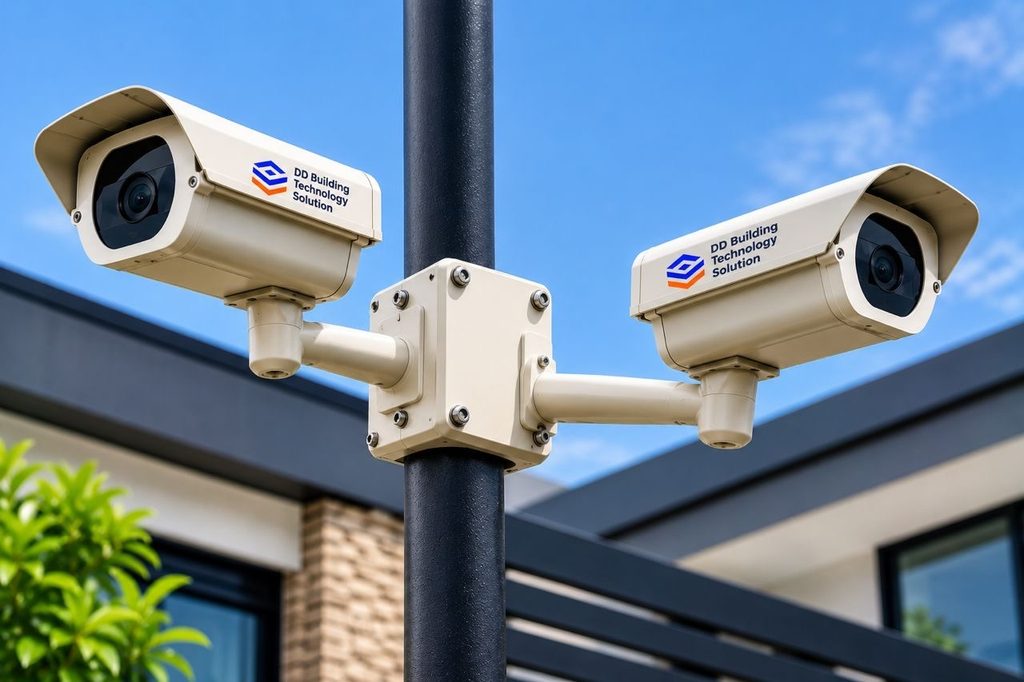
Bullet Cameras
These are the long, visible cameras you often see mounted on walls, gates and building exteriors. They often have a cylindrical shape.
Best for:
- Gates
- Driveways
- Perimeter walls
- Open outdoor areas
Pros:
- Good for outdoor monitoring
- Visible presence can discourage intruders
- Many models offer good night vision
Cons:
- Their visible position can make them easier to target
- Not always ideal for discreet indoor monitoring
Dome Cameras
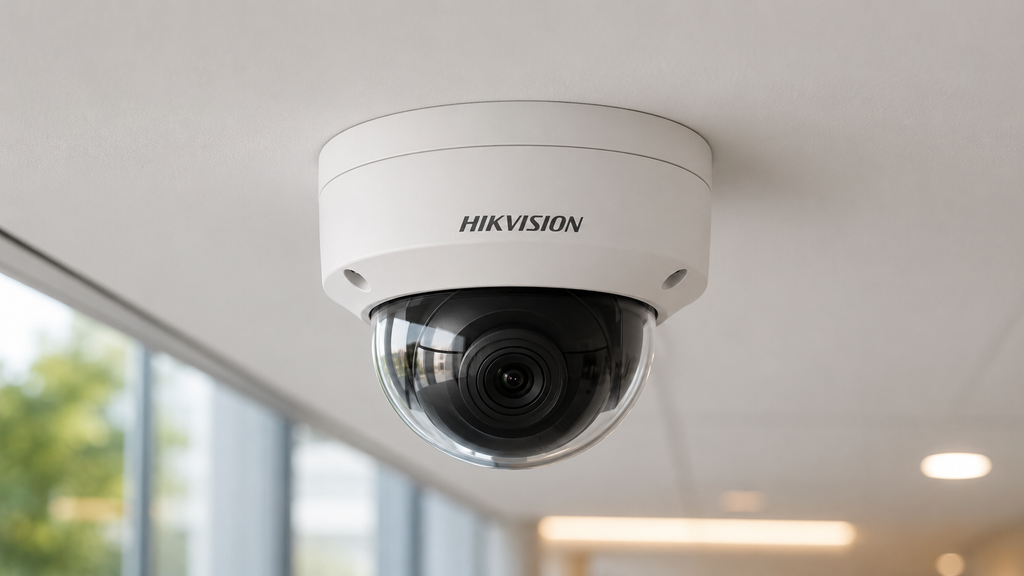
Dome cameras have a rounded shape that makes it difficult for intruders to know which direction they’re facing and are commonly installed on ceilings or walls.
They are a good option when you want a camera that blends more easily into the space.
Best for:
- Homes
- Offices
- Shops
- Indoor spaces
Pros:
- Compact design
- Good for indoor monitoring
- Some models are resistant to tampering
Cons:
- Less suitable for very large outdoor areas
- Coverage depends heavily on the model and installation position
PTZ Cameras
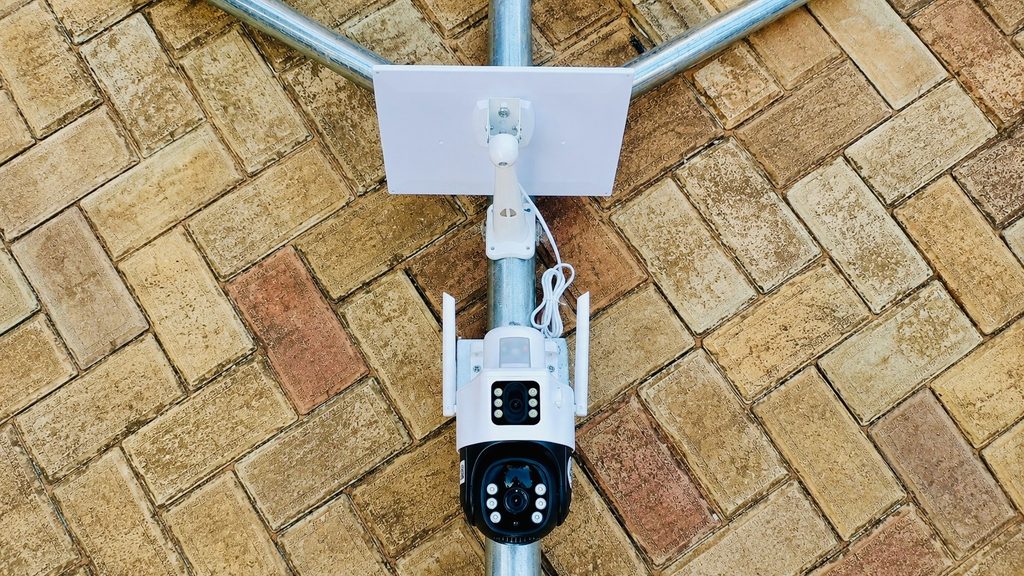
PTZ means Pan, Tilt and Zoom.
Unlike a fixed camera, a PTZ camera can move from side to side, up and down, and zoom in on an area.
Best for:
- Large compounds
- Warehouses
- Estates
- Parking areas
- Large outdoor spaces
Pros:
- Wide coverage
- Remote movement and zoom
- Useful for monitoring large areas
Cons:
- Usually more expensive than fixed cameras
- Requires proper positioning and setup
Important: PTZ describes how the camera moves, not how it connects. A PTZ camera can be analog, IP, wireless or solar-powered, depending on the model.
IP Cameras
IP means Internet Protocol.
IP cameras send digital video over a network instead of using a traditional analog signal. They can be wired or wireless, depending on the model.
Depending on the model, they can offer features such as high-resolution footage, motion detection, facial recognition, and cloud storage.
Best for:
- Homes
- Offices
- Businesses
- Larger security systems
Pros:
- High-quality digital footage
- Remote monitoring options
- Can work with network-based systems
Cons:
- Can cost more than basic analog options
- Installation may require more technical knowledge
- Network setup needs to be done properly
Note: IP does not automatically mean wireless. An IP camera can be connected with a network cable or designed for wireless connectivity.
2. Wireless CCTV Cameras
Wireless CCTV cameras transmit video without relying on traditional video cables. They’re ideal for homes or properties where wiring may be a challenge.
Depending on the model, they may use Wi-Fi, 4G or another wireless connection.
Some models still need a power cable, while solar-powered cameras can operate using solar energy and a built-in battery. They include:
Wi-Fi Cameras
These cameras connect to your Wi-Fi network, allowing you to view live footage through a mobile app.
Best for:
- Homes
- Apartments
- Small offices
- Areas where running cables is difficult
Pros:
- Easier installation
- Remote viewing
- Flexible placement
Cons:
- Depends on a stable Wi-Fi connection
- May still require a power cable
- Signal strength can affect performance
4G Cameras
4G cameras use a SIM card and mobile network instead of depending on your home or office Wi-Fi.
Best for:
- Areas without reliable Wi-Fi
- Construction sites
- Farms
- Remote properties
Pros:
- Doesn’t require Wi-Fi
- Can work in remote locations
- Remote monitoring is possible
Cons:
- Requires a suitable mobile network
- Requires data
- Battery-powered models need proper power management
Solar-Powered Cameras
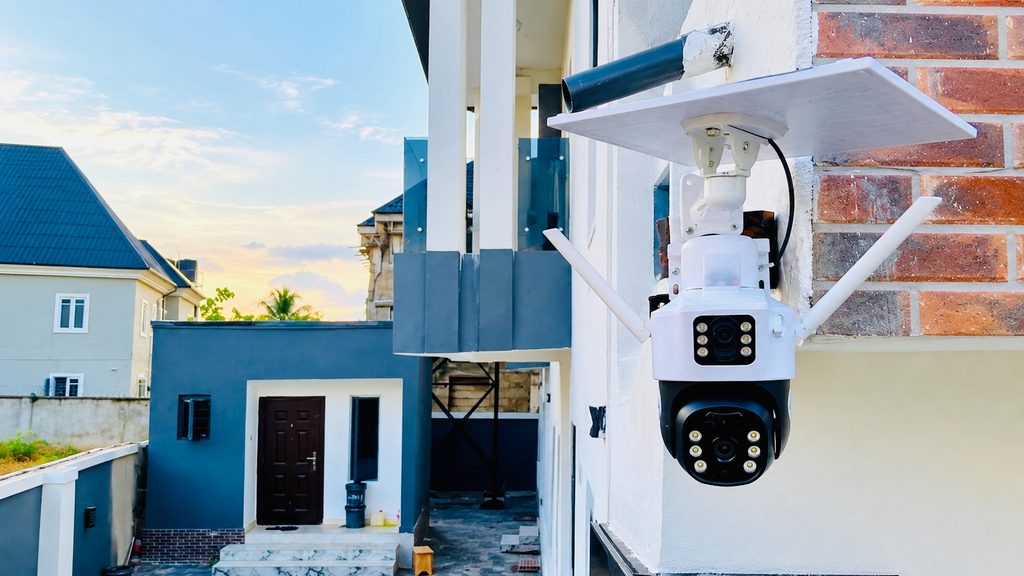
Solar cameras use a solar panel to charge their battery, allowing the camera to operate without depending entirely on the regular power supply.
This can be especially useful in places where power supply is unreliable or where running electricity cables is difficult.
Want to see how solar-powered CCTV works? Check out our YouTube video:
Best for:
- Farms
- Construction sites
- Large compounds
- Remote locations
- Areas with difficult power access
Pros:
- Uses solar energy
- Reduced dependence on grid electricity
- Useful in remote locations
- Can provide continuous surveillance when properly installed
Cons:
- Battery performance depends on the system
- Poor installation can affect charging
- Requires proper positioning of the solar panel
So, Which CCTV Camera Is Right for Your Property?
There is no single “best CCTV camera” for everyone.
The right choice depends on:
- Size of your property
- Where it will be installed
- Indoor or outdoor use
- Power and internet availability
- Area you need to cover
- Remote monitoring needs
- Your budget
For example:
Small home:
A combination of dome, bullet or Wi-Fi cameras may be enough.
Large compound:
PTZ cameras can provide wider coverage.
Remote property:
A 4G or solar-powered camera will make more sense.
Office or business:
A properly designed IP or analog CCTV system will be more suitable.
What to Consider Before Buying CCTV
The right camera isn’t just about its type. Consider these before you buy:
- Indoor or outdoor: Outdoor cameras should be weather-resistant and suitable for your environment. This is especially important during Nigeria’s rainy and dusty seasons.
- Day and night coverage: Check the camera’s night vision. If you need clear images at night, consider models with strong infrared or colour night vision.
- Power and connectivity: Consider whether the camera will use mains power, PoE, Wi-Fi, 4G or solar power. For areas with unreliable electricity, solar or battery-backed options may be useful.
- Storage and monitoring: Decide whether you need a DVR/NVR, memory card or cloud storage. If you want to check your cameras from your phone, make sure the system supports remote monitoring.
- Installation: Camera position matters. Poor placement can leave blind spots even when you have good cameras. Proper installation ensures the cameras cover the areas that matter most.
Before you make a decision, ask yourself:
Where will it be installed?
What area should it cover?
Will it work at night?
How will it get power?
How will the footage be stored?
Do I need to monitor it from my phone?
What happens if power or internet goes off?
These questions can save you from spending money on a CCTV system that doesn’t actually solve your security problem.
Frequently Asked Questions
- What is the best type of CCTV camera for a home?
There is no single best camera for every home. The right choice depends on where you need coverage, the size of your property, available power and whether you need remote monitoring. Bullet, dome and Wi-Fi cameras can all be suitable depending on the setup.
- Are wireless CCTV cameras better than wired cameras?
Not necessarily. Wireless cameras are easier to install in places where running cables is difficult, while wired systems can provide a more stable connection and are suitable for larger, permanent installations. The better option depends on your property and security needs.
- What is the difference between IP and analog CCTV cameras?
Analog cameras send video through traditional CCTV cables to a DVR, while IP cameras send digital video over a network. IP cameras can offer features such as higher-resolution footage and remote monitoring, depending on the system.
- Can CCTV cameras work without electricity?
Yes, depending on the camera. Solar-powered cameras use a solar panel and battery, while some cameras can also use backup power systems. Traditional wired cameras generally require a reliable power source or backup.
- Which CCTV camera is best for outdoor use?
Bullet cameras are commonly used outdoors because they are well suited to monitoring gates, driveways and perimeter areas. However, PTZ, 4G and solar-powered cameras can also be excellent choices depending on the size of the area, power availability and monitoring needs.
Choosing the Right CCTV Camera for Your Property
CCTV cameras have come a long way.
From traditional wired systems to IP, Wi-Fi, 4G and solar-powered cameras, there are now options for almost every type of property.
But the best CCTV system isn’t necessarily the newest or most expensive.
It’s the one designed around your property, your security needs and your environment.
If you’re unsure which setup is right for your home, business or property, start with the location and security problem you want to solve. Then choose the camera around that.
Want a CCTV system that actually fits your property?
Talk to CCTV professionals at DD Building Technology Solutions to assess your property and recommend the most effective security setup for your specific needs.